
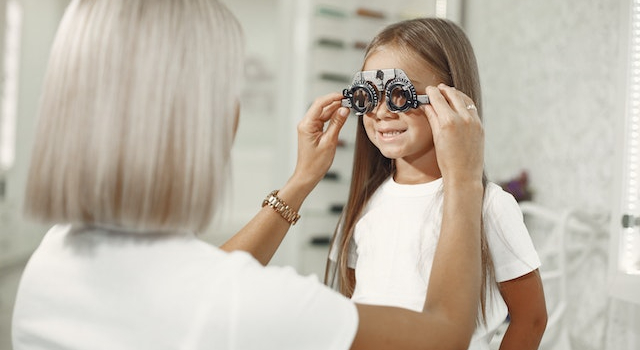
As families gear up for the new school year, July offers a timely opportunity to prioritize children's eye health. At Look Optical, we aim to educate our community about the distinctions between vision screenings and eye exams.
Understanding the differences is crucial for identifying common vision issues. It ensures these problems don’t hinder your child’s academic and social development.
Vision Screenings vs. Comprehensive Eye Exams
It’s a common misconception that a vision screening is as comprehensive as an eye exam, but this isn’t the case. Vision Screenings are basic checks that identify potential vision problems, typically conducted in schools or pediatrician offices. They're useful for detecting obvious impairments but are not thorough enough to catch all types of vision issues.
Comprehensive Eye Exams are detailed examinations conducted by eye care professionals. These exams assess both the clarity of vision and the physical health of the eyes. They can detect various conditions that screenings might miss. These include subtle refractive errors, eye coordination issues, and early signs of eye diseases.
Common Vision Issues in School-Aged Children
Children may face several vision problems impacting their learning and daily activities. Some of the most common issues include:
Refractive Errors
These include myopia (nearsightedness), hyperopia (farsightedness), and astigmatism. Such conditions affect how well a child can see letters on a chalkboard, focus on a printed page, or use a computer.
Amblyopia (Lazy Eye)
Amblyopia is reduced vision in one eye caused by abnormal visual development early in life. Diagnosing and treating lazy eye as early as possible is crucial to avoid long-term visual impairment.
Strabismus (Crossed Eyes)
This misalignment can cause the eyes to look in different directions. Without treatment, strabismus can lead to amblyopia.
Dry Eye Syndrome
Increasingly common due to screen usage, dry eye syndrome can make reading uncomfortable. It can also reduce a child’s ability to focus, potentially affecting school performance.
How Vision Problems Can Affect Learning
Clear vision is vital for effective learning. Vision issues can hinder a child’s ability to read clearly, see the board in class, and participate in sports or other activities. This can lead to academic challenges, social problems, and lower self-esteem. Moreover, symptoms like blurred vision or headaches can further detract from educational experiences.
Signs That Your Child May Need an Eye Exam
Parents and teachers should watch for signs that may indicate vision problems:
- Squinting or tilting the head to see better
- Sitting too close to the television or holding books too close
- Frequent eye rubbing
- Sensitivity to light
- Avoiding activities that require near vision, like reading, or detailed activities, like arts and crafts
- Complaining of headaches or tired eyes
If your child exhibits any of these behaviors, request a comprehensive eye exam to investigate further.
Addressing Vision Problems
At Look Optical, we emphasize the importance of regular eye exams for all children. Early detection is key to effective treatment. Depending on the condition, treatment options range from prescription eyeglasses or contact lenses to more specialized treatments like vision therapy or surgery.
Request an Eye Exam Today
Preparing for the school year means ensuring your child is ready to learn, including having good vision. Request a comprehensive eye exam at one of Look Optical’s four locations to ensure your child’s eyes are healthy and their vision is clear. Don’t let undetected vision problems compromise your child’s ability to achieve their best in school.